
Ehlers-Danlos Syndrome, Chronic Pain, Fatigue, ADHD & Endometriosis: What Your Body Is Actually Telling You
Struggling with Ehlers-Danlos syndrome, chronic pain, fatigue, ADHD, or endometriosis? Learn how connective tissue, fascia, and the nervous system are connected and how targeted neuromuscular therapy can help.
This Isn’t a Trend. It’s Finally Being Seen.
Let’s clear something up.
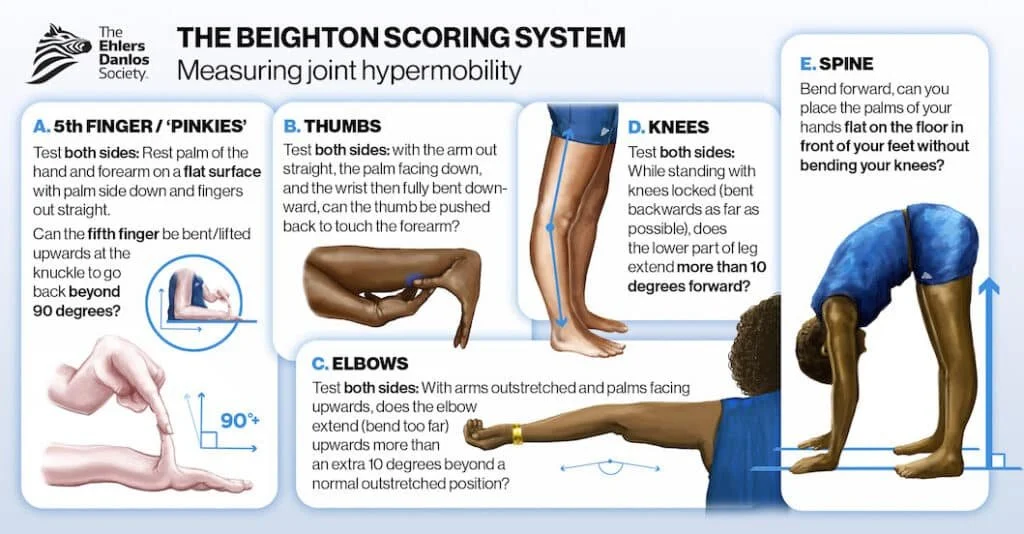
Ehlers-Danlos Syndrome (EDS), chronic fatigue, endometriosis, ADHD… this isn’t a coincidence. It’s not “everyone suddenly has it.”
It’s finally being recognized.
For years, people—especially women—have been told their pain was anxiety, hormones, or “just stress.” Now research is catching up, and it’s showing what many of us already knew:
These conditions are deeply connected.
What the Research Is Finally Showing
Newer studies are pulling back the curtain on what’s actually happening in the body.
Nearly 99% of people with hypermobile EDS report chronic pain, often affecting multiple areas of the body (SEDsConnective).
Research shows immune system involvement, chronic inflammation, and altered pain signaling are part of EDS, not just joint laxity (The Ehlers-Danlos Society Research on hEDS Biology).
There’s a growing link between EDS and neurodivergence like ADHD, including shared nervous system and proprioceptive differences (Chronic Pain Partners).
Studies suggest 6–23% of individuals with EDS also report endometriosis, with overlapping pain and inflammatory patterns (EDS Clinic).
Chronic pelvic pain is frequently reported in hypermobility conditions and is often overlooked or misdiagnosed (The Fibro Guy).
So no, you’re not “a mess of random diagnoses.”
You’re dealing with a system-wide pattern.
The Missing Link: Connective Tissue + Nervous System
Here’s where most providers miss the mark.
EDS is a connective tissue disorder, which means it affects multiple systems throughout the body (The Ehlers-Danlos Society):
Fascia (your body’s internal webbing)
Joint stability
Blood vessels
Organs
Nervous system communication
When that system is compromised, your body has to compensate.
That’s where you start to see:
Muscles constantly overworking just to stabilize joints
Chronic tightness that never fully releases
Fatigue that doesn’t match your activity level
Pain that moves or doesn’t make sense
Nervous system overload
This isn’t just muscular.
This is neurological and fascial.
Why You Feel So Damn Tired All the Time
Let’s talk about the fatigue.
It’s not just “being tired.”
When your body lacks structural stability, your muscles are doing the job your connective tissue should be doing.
That means:
Constant low-level contraction
Increased energy demand
Poor recovery
Nervous system overdrive
Add in chronic inflammation, which research is continuing to explore in EDS populations, and your body is essentially operating under constant physiological stress (The Ehlers-Danlos Society Research on hEDS Biology).
Where Endometriosis Fits Into This
This one gets overlooked a lot.
There is a growing body of research showing overlap between connective tissue disorders like EDS and endometriosis (EDS Clinic).
Connective tissue fragility can affect pelvic structures
Hormonal fluctuations impact both conditions
Mast cell and inflammatory responses are involved in both
Pelvic pain is often attributed to one condition while others are overlooked
The problem?
People get treated for one piece… and the rest is ignored.
ADHD, Pain, and the Nervous System
This is where it really clicks for a lot of people.
Emerging research shows a strong overlap between hypermobility and neurodivergence, including ADHD(Chronic Pain Partners).
Why?
Because:
Proprioception can be altered
The autonomic nervous system may be dysregulated
Sensory processing is often heightened
So now you’ve got:
A body that doesn’t feel stable
A brain that’s constantly trying to compensate
A nervous system that never fully downshifts
That’s not just ADHD.
That’s a body under constant stress.
My Approach as a NeuroFascial / Neuromuscular Therapist
This is where I come in—and why my approach is different.
I don’t diagnose medical conditions. If you suspect EDS or hypermobility spectrum disorders, it’s important to consult with a qualified healthcare provider, as there are multiple types and variations that require proper evaluation.
What I do is assess how your body is functioning.
I look at:
Fascial restrictions
Neurological compensation patterns
Joint instability contributions
Pain pathways, not just pain points
Because if you don’t address the why, you’ll keep cycling through temporary relief.
What Treatment Actually Looks Like
This isn’t a spa massage.
This is targeted, clinical work.
Sessions may include:
NeuroFascial reset techniques
Neuromuscular therapy
Targeted work to support joint stability
Nervous system regulation
The goal is not to “loosen everything.”
The goal is to create stability, efficiency, and reduce the overall demand on your system.
Why This Matters (Especially for Women)
A lot of women are walking around undiagnosed or misdiagnosed for years.
Delays in recognition and diagnosis are widely reported in connective tissue disorders (The Fibro Guy).
So when people say “everyone suddenly has EDS”…
No.
We’re just finally listening.
If This Sounds Like You
If you’ve been dealing with:
Chronic pain
Constant muscle tightness
Unexplained fatigue
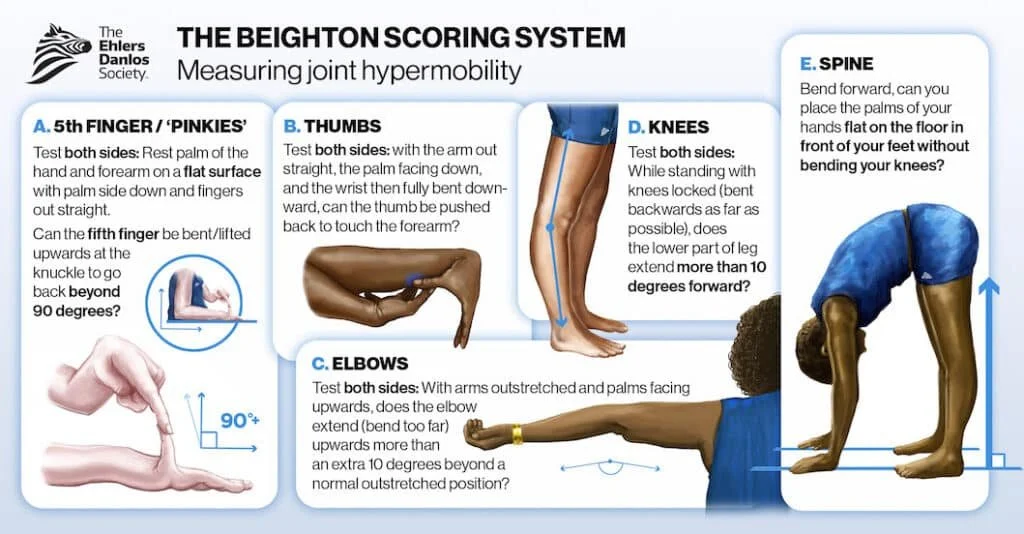
Hypermobility or suspected connective tissue issues
Endometriosis or pelvic pain
ADHD or nervous system overwhelm
There is a reason your body feels the way it does.
And there is a way to work with it instead of constantly fighting it.
About Me
I’m a licensed neuromuscular and NeuroFascial therapist based in Huntersville, NC at Resilience Therapeutic Massage & Bodywork.
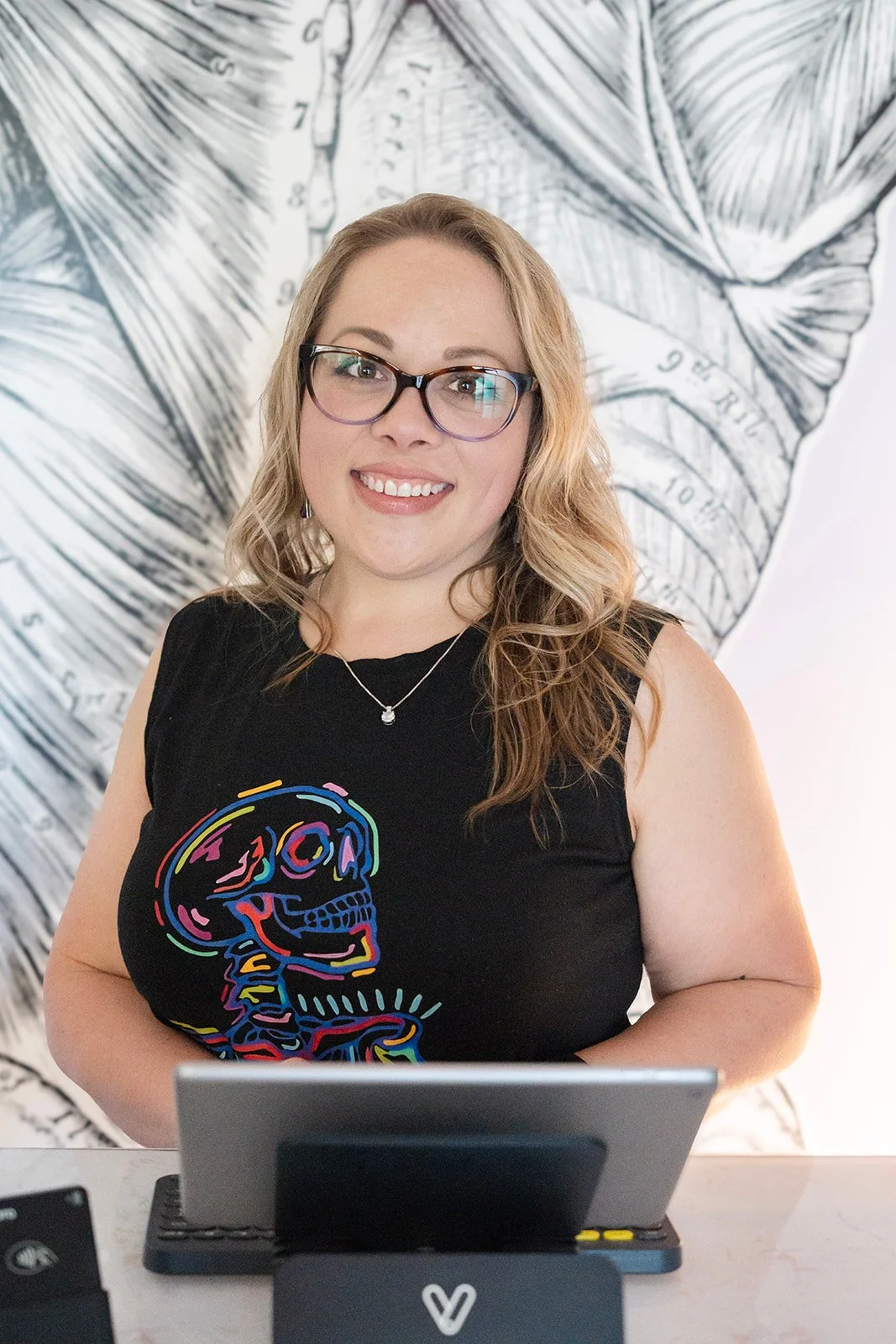
I specialize in working with hypermobility and EDS—and I also live with it.
I live it. I treat it. And I understand it.
I am currently booked out, but if you’re dealing with this and need guidance, you can reach out with questions or get on my schedule.
Because this isn’t something you just “push through.”
Serving Huntersville, Lake Norman & Charlotte, NC
Resilience Therapeutic Massage & Bodywork provides clinical neuromuscular therapy, NeuroFascial reset, and pain-focused bodywork for clients dealing with chronic pain, hypermobility, and complex conditions.
If you’re searching for:
Ehlers-Danlos syndrome support in Huntersville NC
Hypermobility treatment near Lake Norman
Chronic pain massage therapy in Charlotte
Neuromuscular therapy for fatigue and muscle pain
You’re in the right place.